
EPE Foam Underlay Guide: Uses, Lamination Options & Installation
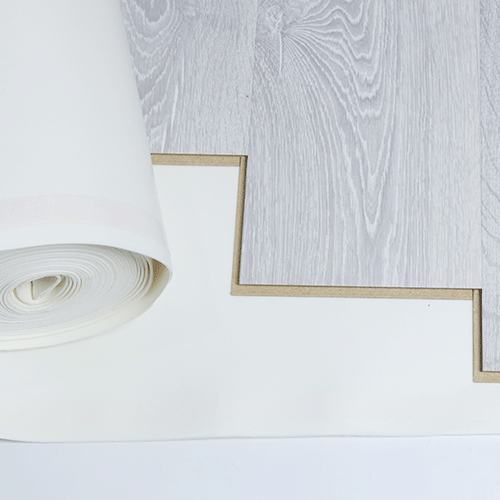
EPE Foam Underlay (also known as EPE foam mat, EPE expanded polyethylene moisture-proof mat, or EPE flooring underlayment) is a common underlayment material in the flooring industry. It is primarily used beneath various floor coverings, including SPC flooring, laminate flooring, WPC flooring, engineered wood flooring, and even some carpet installations.
What is it?
EPE stands for Expanded Polyethylene. EPE Foam Underlay is a roll or sheet made from this foamed material. It is installed underneath flooring or other floor coverings to provide cushioning, leveling, sound insulation, and moisture protection.
Key Benefits
Cushioning & Shock Absorption: Reduces impact from foot traffic and improves underfoot comfort.
Sound Insulation: Lowers footstep noise and impact sound, especially between different floors.
Subfloor Leveling: Compensates for minor subfloor irregularities and protects the locking systems or flooring surface.
Moisture Protection: Versions laminated with aluminum foil or PE film effectively block ground moisture.
Floor Protection: Reduces direct friction between the flooring and the subfloor, extending the service life of the floor.
Common Specifications
Thickness: Commonly 2mm, 3mm.
Width: Commonly 1.1m.
Length: 16.9m.
Lamination Options: Plain EPE, EPE + Silver Film, EPE + PE Film, EPE + Gold Film, EPE + PP Woven.
Applications
SPC/WPC flooring installation
Laminate flooring installation
Wood flooring installation
Partial carpet installation
Temporary floor protection