
Thick vs. Thin Underlayment: How to Choose the Right One for Your Project
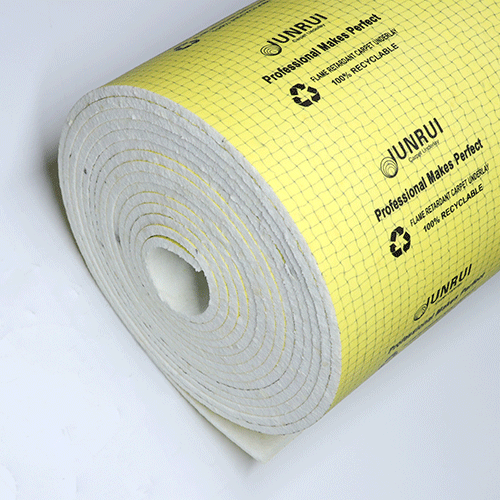
When it comes to flooring installation, underlayment is one of those components that’s easy to overlook — but it plays a major role in the long-term performance of the finished floor. A common misconception is that thicker underlayment is always better. In reality, the right choice depends on the flooring type, subfloor condition, and installation environment, not thickness alone.
What Does Underlayment Actually Do?
Sound reduction
Moisture protection
Thermal insulation
Cushioning and comfort
Floor stability
Subfloor imperfection smoothing
Common underlayment materials include foam, cork, rubber, felt, and composite structures. Each material behaves differently, so thickness should be considered together with density, compressive strength, and moisture resistance.
When Thin Underlayment Is the Better Choice
The flooring requires a stable, low-compression base
Door clearances are limited
The new floor must align with adjacent rooms
Radiant heating is installed beneath the flooring
The project involves installing new flooring over an existing floor
In many of these cases, a thin and dense underlayment can deliver better stability than a thicker, softer alternative.
When Thick Underlayment Makes Sense
Thicker underlayment is generally chosen when additional cushioning, sound absorption, or height adjustment is needed. It can be useful in residential spaces where comfort underfoot is a priority, or when the floor height needs to be raised to match surrounding surfaces.
Excessive floor movement
Joint separation in click-lock flooring
Reduced efficiency of underfloor heating
Unwanted height differences at doorways and room transitions
Match the Underlayment to the Subfloor
The Bottom Line